Are you experiencing joint pain in 30s or 40s? You are not alone. Understanding the causes of joint pain at this stage of life is crucial for effective management. From age-related degeneration to overuse and injuries, there are a variety of factors that can contribute to joint discomfort.
We will explore prevention strategies, treatment options, and holistic remedies to help you maintain optimal joint health in your 30s and 40s. Let’s dive in and learn how to keep your joints healthy and pain-free.
Key Takeaways:
- Maintain a healthy weight, exercise regularly, and practice proper posture and body mechanics to prevent joint pain in your 30s and 40s.
- In case of joint pain, over-the-counter pain relievers, physical therapy, and injections/medications can be effective treatments. Surgery may be necessary in severe cases.
- Consider holistic remedies like herbal supplements, acupuncture, chiropractic care, and mind-body techniques for optimal joint health in your 30s and 40s. Consult with a healthcare professional before trying any new remedies.

Understanding Joint Pain in 30s and 40s
Joint pain in 30s and 40s can be a common concern for young adults, especially those experiencing early-onset arthritis. Symptoms such as stiffness, swelling, and limited mobility may prompt individuals to seek advice from rheumatologists.
The prevalence of joint pain in younger age groups is surprising to many individuals, as the general assumption is that arthritis only affects older individuals.
Studies have shown that arthritis can develop at any age, impacting the quality of life and daily activities of those affected. It is essential to recognize the early signs of arthritis, such as joint stiffness in the morning or after periods of inactivity, and persistent joint pain. Consulting a rheumatologist early on can lead to a proper diagnosis and personalized treatment plan, improving overall outcomes and management of the condition.
What Causes Joint Pain in 30s and 40s?
Joint pain in the 30s and 40s can stem from various causes, including arthritis, inflammation, and autoimmune conditions such as rheumatoid arthritis and osteoarthritis. Understanding these underlying factors is crucial for effective treatment.
Arthritis, a leading cause of joint pain, encompasses a range of conditions affecting joints, leading to pain, stiffness, and decreased range of motion. Inflammation plays a significant role in aggravating joint pain, often as a response to injury or overuse.
Rheumatoid arthritis is an autoimmune disorder where the immune system mistakenly attacks the joints, causing inflammation, pain, and swelling. Osteoarthritis, on the other hand, is characterized by the breakdown of cartilage in joints, leading to pain and stiffness.
Age-related Degeneration
Age-related degeneration is a common factor contributing to joint pain in individuals in their 30s and 40s.
As time passes, the wear and tear on joints can result in diminished cushioning and lubrication, causing stiffness and inflammation. Beyond physical discomfort, these changes can impact daily activities and quality of life. It is essential to prioritize preserving cartilage integrity through various means like maintaining a healthy weight, regular exercise, and proper nutrition. By taking proactive steps to care for joints, individuals can potentially mitigate the progression of conditions like osteoarthritis and prolong joint health. Embracing a holistic approach to joint care can enhance overall well-being and mobility as one ages.
Overuse and Wear and Tear
Overuse and wear and tear on joints, especially in active individuals, can contribute to joint pain in the 30s and 40s. Treatments such as glucosamine and chondroitin may offer relief for knee pain and support ligament health.
The constant strain put on the joints from repetitive movements or intense physical activities can lead to degeneration and inflammation, causing discomfort and restricted mobility.
Glucosamine and chondroitin, known for their anti-inflammatory properties, can help reduce pain and improve joint function for those experiencing knee discomfort.
It’s essential to maintain proper posture and body mechanics to prevent further damage to the ligaments, ensuring long-term joint health and overall well-being.

Injuries and Accidents
Injuries and accidents can significantly contribute to joint pain in individuals during their 30s and 40s. Seeking physical therapy or occupational therapy post-injury can aid in recovery and reduce inflammation in affected joints.
These injuries often result in trauma to the joints, leading to acute or chronic pain that can impact daily activities. Physical therapy focuses on strengthening the muscles around the joint, improving flexibility, and restoring proper movement patterns to support joint health.
Occupational therapy, on the other hand, helps individuals regain independence in their daily tasks by adapting the environment and teaching efficient movement techniques. Both therapies play a crucial role in preventing long-term joint damage and promoting overall well-being.
Preventing Joint Pain in 30s and 40s
Preventing joint pain in your 30s and 40s involves making proactive lifestyle choices. Strategies like quitting smoking, maintaining a healthy weight, engaging in regular exercise, and adopting anti-inflammatory lifestyle changes can help reduce the risk of developing joint issues.
Smoking has been linked to increased joint pain and inflammation due to its negative impact on circulation and tissue health. Quitting smoking is a crucial step in promoting overall joint health.
Maintaining a healthy weight is equally significant, as excess weight puts added stress on the joints, contributing to pain and deterioration over time.
Regular exercise plays a vital role in strengthening muscles around the joints, improving flexibility, and promoting overall joint health.
Incorporating anti-inflammatory habits such as consuming omega-3 fatty acids, turmeric, and ginger can help reduce joint inflammation and pain.
Maintaining a Healthy Weight
Maintaining a healthy weight is crucial for joint health in your 30s and 40s. Excess weight can strain joints, especially in areas like the knees, leading to conditions such as knee osteoarthritis.
When excess weight puts pressure on the knee joints, it can accelerate the breakdown of cartilage, causing pain and stiffness. The link between weight loss and reduced strain on joints is significant – even a modest reduction in weight can result in noticeable relief for achy knees. By managing your weight effectively, you can not only alleviate existing joint discomfort but also prevent the onset or progression of knee osteoarthritis, a common degenerative condition that affects many adults.
Regular Exercise and Stretching
Regular exercise and stretching routines play a vital role in maintaining joint health in your 30s and 40s. Incorporating physical therapy exercises can strengthen hip muscles and support ligament flexibility.
These practices not only help in reducing joint pain and stiffness but also improve overall mobility and range of motion. By engaging in a consistent fitness regimen, individuals can significantly reduce the risk of developing degenerative conditions such as osteoarthritis.
Focusing on targeted exercises that specifically target hip strength and flexibility can further enhance joint stability and prevent injuries. Incorporating stretching exercises into your routine can improve blood circulation, promote muscle relaxation, and enhance joint lubrication.
Proper Posture and Body Mechanics
Maintaining proper posture and body mechanics is essential for reducing joint pain risk in your 30s and 40s. Correct alignment can alleviate strain on joints, benefiting individuals with conditions like osteoarthritis and rheumatoid arthritis.
When your body is properly aligned, the pressure and weight distribution throughout your joints are more balanced, reducing the likelihood of wear and tear on the cartilage. Expert rheumatology professors emphasize the role of posture in preventing joint degeneration and the importance of gentle yet effective exercises in maintaining joint health.
Posture affects not only how you look but how your body functions, especially as you age. By maintaining good posture habits early on, you can significantly decrease the chances of developing chronic joint issues.
Adequate Nutrition and Hydration
Ensuring adequate nutrition and hydration is vital for joint health in your 30s and 40s. A balanced diet rich in anti-inflammatory foods can help manage symptoms of inflammatory arthritis and reduce joint pain associated with autoimmune diseases.
By incorporating foods high in omega-3 fatty acids, like salmon and flaxseeds, you can reduce joint inflammation. Similarly, consuming plenty of colorful fruits and vegetables, such as berries and leafy greens, provides antioxidants that combat oxidative stress in the joints.
Staying well-hydrated is essential for maintaining joint function as water helps lubricate the joints and cushions the impact of physical activity. It’s also advisable to limit consumption of processed foods, sugary snacks, and refined grains, as these can contribute to increased inflammation.
Treating Joint Pain in 30s and 40s
Treating joint pain in 30s and 40s often involves a multifaceted approach tailored to individual needs. Consulting rheumatologists for specialized care and considering treatments like infusion therapy or platelet-rich plasma injections can help manage symptoms effectively.
Personalized treatment for joint pain is crucial as each individual’s condition can vary significantly. Rheumatologists play a pivotal role in providing specialized care due to their expertise in managing joint-related issues. They are equipped to diagnose and treat a wide range of conditions affecting the joints, including arthritis and autoimmune diseases.
Infusion therapy, a treatment method involving the administration of medications through an intravenous line, can target inflammation in the joints more directly, offering relief for those struggling with chronic joint pain. On the other hand, platelet-rich plasma injections utilize the body’s own healing properties to promote tissue repair and reduce pain, presenting a natural and effective option for some patients.
Over-the-counter Pain Relievers
Over-the-counter pain relievers are commonly used to address joint pain in individuals in their 30s and 40s, especially for conditions like knee osteoarthritis.
Many people find these medications helpful in managing the discomfort that can come with joint issues. These pain relievers, which are easily accessible without a prescription, can help reduce inflammation and alleviate the pain associated with conditions like knee osteoarthritis. It’s important to follow the recommended dosage instructions and consult a healthcare provider when needed.
Physical Therapy
Physical therapy plays a crucial role in treating joint pain in your 30s and 40s, focusing on strengthening muscles around the hips, supporting ligament health, and improving mobility in affected knees.
By engaging in physical therapy, individuals can alleviate discomfort and enhance their overall quality of life by targeting specific muscle groups that directly impact the hips and knees.
- Exercises such as leg raises, squats, lunges, and hip abductions are commonly recommended to build strength and stability in these areas.
- Physical therapists also emphasize the importance of proper body mechanics and alignment during movements to prevent further joint strain.
Incorporating these exercises into a regular routine can help foster better joint function and reduce pain associated with daily activities.”
Injections and Medications
Injections and medications are often prescribed to alleviate joint pain in individuals in their 30s and 40s, particularly for managing symptoms of autoimmune conditions like rheumatoid arthritis. These treatments aim to reduce inflammation and improve joint function.
Injecting medications directly into the affected joints can provide targeted relief, bypassing the digestive system for quicker effectiveness. Medications such as corticosteroids and hyaluronic acid are commonly used to reduce pain and swelling in arthritic joints.
However, it’s essential to balance these treatments with lifestyle modifications like exercise and a healthy diet to promote overall joint health.
Surgery
Surgical intervention may be necessary for severe cases of joint pain in individuals in their 30s and 40s, especially when conservative treatments are ineffective. Consulting with rheumatologists and orthopedic surgeons can help determine the most suitable surgical options for knee issues and tendon problems.
In terms of knee problems, surgical procedures like arthroscopy or knee replacement surgery could be considered based on the specific condition and severity of the issue. Arthroscopic surgery, a minimally invasive technique, is commonly used to diagnose and treat various knee conditions, such as torn ligaments or damaged cartilage.
In cases of tendon issues, surgical repair may be recommended to address injuries or chronic conditions affecting tendons in areas like the shoulders, elbows, or ankles. Professional guidance from specialists can ensure that the appropriate surgical intervention is chosen to optimize the patient’s recovery and long-term joint health.
Holistic Remedies for Optimal Joint Health
Plus conventional treatments, holistic remedies can contribute to optimal joint health in individuals in their 30s and 40s. Practices like herbal supplements, acupuncture, chiropractic care, and mind-body techniques offer alternative approaches to managing joint pain.
Herbal supplements, such as turmeric and ginger, are known for their anti-inflammatory properties, which can help reduce swelling and pain in joints.
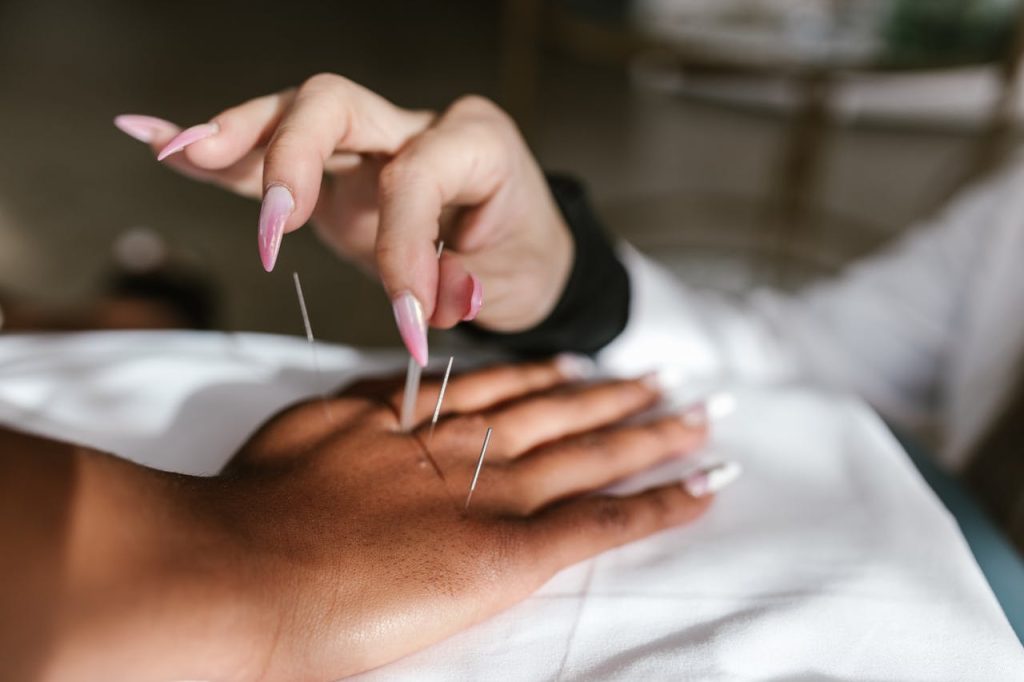
Acupuncture, a traditional Chinese medicine practice, involves inserting thin needles into specific points to promote energy flow and relieve joint discomfort.
Chiropractic care focuses on spinal alignment to improve overall body function, which can alleviate pressure on joints and enhance mobility.
Mind-body techniques like yoga and meditation can reduce stress levels, leading to decreased inflammation and improved joint health.
Herbal Supplements
Herbal supplements are gaining popularity as complementary treatments for joint issues in individuals in their 30s and 40s. These natural remedies target inflammation, support joint health, and may offer relief for conditions like arthritis and autoimmune diseases.
One of the key benefits of herbal supplements is their anti-inflammatory properties, which can help reduce swelling and pain in the joints. For individuals dealing with arthritis or autoimmune conditions, these supplements can provide a more natural alternative to traditional medications. Many herbs used in these supplements, such as turmeric or ginger, have been studied for their potential to improve joint mobility and flexibility.
Acupuncture
Acupuncture is a traditional therapy that can be effective in addressing joint pain in individuals in their 30s and 40s. By targeting specific points related to joint health, acupuncture aims to reduce inflammation and improve overall joint function.
This ancient healing practice is rooted in the idea of balancing the body’s energy flow, or Qi, to promote natural healing processes. The insertion of thin needles into specific acupuncture points stimulates the nervous system, triggering the release of endorphins and other neurotransmitters that help relieve pain. Acupuncture can enhance blood circulation to the joints, supporting the delivery of essential nutrients and oxygen for tissue repair. By promoting the body’s self-healing abilities, acupuncture offers a holistic approach to managing joint pain without relying solely on medications or invasive procedures.
Chiropractic Care
Chiropractic care offers a non-invasive approach to treating joint pain in individuals in their 30s and 40s. By focusing on spinal alignment and joint mobility, chiropractors aim to reduce inflammation and promote overall joint wellness.
One of the key benefits of chiropractic care for joint health is its ability to address the root cause of pain, rather than just masking symptoms. Through gentle adjustments and manipulations, chiropractors can restore proper alignment to the spine and joints, facilitating improved range of motion and flexibility.
- This targeted approach not only alleviates current discomfort but also works towards preventing future joint issues and injuries.
- Chiropractic care can help enhance nervous system function, which plays a vital role in overall body communication and coordination, further aiding in joint health maintenance.
Mind-body Techniques
Mind-body techniques encompass practices like meditation and mindfulness that can aid in managing joint pain in individuals in their 30s and 40s. By addressing the mind’s influence on physical well-being, these techniques may help reduce stress and inflammation associated with joint issues.
In terms of joint health, the connection between mental state and physical well-being cannot be underestimated. Meditation, for instance, has been shown to have a positive impact on reducing inflammation levels, which play a significant role in conditions such as arthritis. By fostering a sense of calm and relaxation, mindfulness practices can also contribute to managing stress, a common trigger for joint discomfort. This holistic approach does not only focus on alleviating symptoms but aims to promote overall wellness and balance in the body.

Frequently Asked Questions
What are some common causes of joint pain in 30s and 40s?
Some common causes of joint pain in this age range include wear and tear on the joints, repetitive movements, obesity, and previous injuries or medical conditions.
How can I prevent joint pain in 30s and 40s?
Preventing joint pain starts with maintaining a healthy weight, exercising regularly, and avoiding repetitive activities that can put strain on the joints. It’s also important to maintain good posture and take breaks during prolonged periods of sitting or standing.
What are some effective treatments for joint pain in 30s and 40s?
Depending on the cause of your joint pain, treatments may include over-the-counter pain relievers, physical therapy, joint injections, or surgery. It’s important to consult with a doctor to determine the best treatment plan for your specific case.
Are there any holistic remedies that can help with joint pain?
Yes, there are several holistic remedies that may help with joint pain, including acupuncture, massage therapy, and herbal supplements. It’s important to speak with a healthcare professional before trying any holistic remedies to ensure they are safe and effective for your individual needs.
What lifestyle changes can I make to improve my joint health in 30s and 40s?
In addition to regular exercise and maintaining a healthy weight, incorporating anti-inflammatory foods into your diet, such as fatty fish, leafy greens, and nuts, can help improve joint health. Quitting smoking and limiting alcohol consumption can also have positive effects on joint health.
When should I see a doctor for my joint pain?
If your joint pain persists for more than a few weeks, is accompanied by swelling or redness, or significantly impacts your daily activities, it’s important to see a doctor for proper diagnosis and treatment. Ignoring joint pain can lead to more serious and long-term issues.