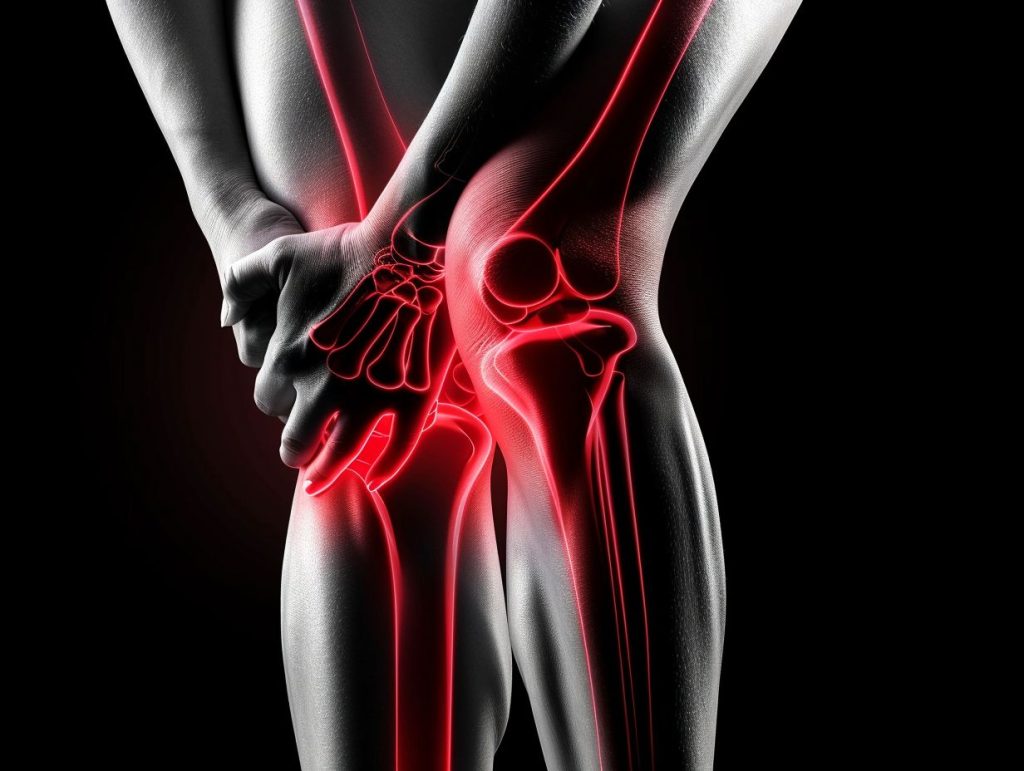
Are you suffering from knee joint pain and looking for natural remedies to find relief?
This article will explore the causes, symptoms, and risk factors associated with knee joint pain. We will discuss various natural remedies such as exercise, hot and cold therapy, massage therapy, acupuncture, herbal supplements, essential oils, weight management, and more.
Stay tuned to learn about effective ways to manage knee joint pain without relying on medication.
Key Takeaways:
- Exercise and stretching can help alleviate knee joint pain by improving flexibility and strengthening the muscles around the knee.
- Hot and cold therapy, such as ice packs or warm compresses, can provide temporary relief from knee joint pain by reducing inflammation and promoting blood flow.
- Massage therapy can help relax tense muscles and improve circulation, which may provide relief from knee joint pain.
What Causes Knee Joint Pain?

Knee joint pain can be caused by various factors such as arthritis, injury, overuse, or aging. Arthritis, particularly osteoarthritis, is one of the primary causes of knee joint pain, leading to inflammation and stiffness in the knee joint.
Arthritis, a condition characterized by the breakdown of cartilage in the joints, affects millions of people worldwide and significantly impacts knee health. Along with osteoarthritis, rheumatoid arthritis can also contribute to knee joint pain by causing the immune system to attack the joints, leading to inflammation and pain. Injuries such as ligament tears, meniscus tears, or fractures can also result in acute knee pain, impacting mobility and function. Age-related factors play a significant role in the development of knee joint pain as wear and tear on the joints over time can lead to degenerative changes and discomfort.
What Are The Symptoms Of Knee Joint Pain?
Symptoms of knee joint pain often include swelling, redness, stiffness, and a limited range of motion in the affected knee. Patients may also experience tenderness, warmth, and inflammation around the knee region.
In terms of knee joint pain, individuals may notice that the affected knee appears swollen, often leading to a feeling of pressure and tightness in the joint. Redness around the knee area can be a common sign of inflammation. The stiffness in the knee may make it challenging to bend or straighten the leg comfortably, causing discomfort in everyday activities. Some may also find that the skin around the knee feels warm to the touch, indicating an inflammatory response in the joint. These symptoms collectively point towards underlying knee issues that require attention and care.
What Are The Risk Factors For Knee Joint Pain?
Risk factors for knee joint pain include obesity, previous injuries, repetitive stress on the knees, poor posture, and lack of physical activities. Excess weight can strain the knees and increase the risk of developing knee pain.
Weight management plays a crucial role in alleviating knee pain as each additional pound exerts more pressure on the knees. Obesity is often linked to a higher incidence of knee issues due to the extra load it places on the joint. Previous injuries, such as torn ligaments or meniscus tears, can weaken the knee structures, making them more prone to pain and discomfort. Lifestyle choices, such as engaging in high-impact activities without proper conditioning, can also contribute to the degeneration of knee joints over time.
What Are The Natural Remedies For Knee Joint Pain Relief?
Natural remedies for knee joint pain relief encompass a range of approaches from exercise and weight management to herbal supplements and essential oils. These remedies aim to alleviate pain and inflammation in the knee joints naturally.
Regular physical activity plays a crucial role in strengthening the muscles around the knee, thus providing better support and reducing strain on the joints.
Maintaining a healthy weight can significantly lessen the pressure on the knee joints, leading to decreased discomfort and enhanced mobility.
Herbal supplements such as turmeric, ginger, and boswellia serrata have shown anti-inflammatory properties, potentially aiding in reducing knee pain and swelling.
Exercise and Stretching
.jpg_01.jpeg) Exercise and stretching play a crucial role in managing knee joint pain by strengthening the muscles around the knee, improving flexibility, and reducing stiffness. Regular physical activity can enhance knee joint stability and function.
Exercise and stretching play a crucial role in managing knee joint pain by strengthening the muscles around the knee, improving flexibility, and reducing stiffness. Regular physical activity can enhance knee joint stability and function.
When dealing with knee joint pain, targeted exercises such as leg raises, squats, and lunges can help build muscle strength and support. Incorporating low-impact activities like swimming or cycling can provide a great workout without adding excess strain to the knees. Stretching routines that focus on the quadriceps, hamstrings, and calves can also be beneficial in improving range of motion and reducing discomfort. Yoga and Pilates are excellent options to promote both strength and flexibility in the knee joints. Finding a balance between these exercises and proper rest is key to managing knee pain effectively.
Hot and Cold Therapy
Hot and cold therapy methods are effective in managing knee joint pain. Applying heat can help relax muscles and improve blood circulation, while cold therapy reduces inflammation and numbs the area to alleviate pain.
For individuals suffering from knee joint discomfort, hot therapy can be especially beneficial. The warmth from heat applications can enhance flexibility and mobility in the affected area, making movements easier and less painful.
On the other hand, cold therapy is excellent for reducing swelling and soothing soreness. By narrowing blood vessels, cold treatments can help decrease the flow of fluid into tissues, thereby minimizing inflammation and discomfort.
This dual approach of alternating hot and cold therapy can provide a comprehensive solution for managing knee joint pain effectively.
Massage Therapy
Massage therapy can be beneficial for knee joint pain as it helps in relaxing the muscles, improving circulation, and reducing tension in the knee region. Regular massages can promote healing and provide relief from knee discomfort.
Through the gentle manipulation of soft tissues and targeted pressure points, massage therapy can help alleviate stiffness and soreness commonly associated with knee issues. By increasing blood flow to the affected area, massages aid in reducing inflammation and enhancing the body’s natural healing process. The release of endorphins during a massage session can contribute to a sense of well-being, which is particularly beneficial for individuals managing chronic knee pain.
Acupuncture
Acupuncture is a traditional Chinese medicine practice that involves inserting thin needles into specific points on the body to alleviate knee joint pain. This technique aims to rebalance the body’s energy flow and reduce pain perception.
In acupuncture, the insertion of needles is thought to stimulate the nervous system, triggering the release of endorphins, the body’s natural painkillers, which can help reduce the intensity of knee joint pain. Acupuncture may also improve blood circulation to the affected area, promoting faster healing and reducing inflammation.
Herbal Supplements

Herbal supplements are popular natural remedies for knee joint pain, with ingredients like turmeric, ginger, and boswellia known for their anti-inflammatory properties. These supplements can help reduce knee pain and improve joint health.
The anti-inflammatory properties of these herbal supplements can also aid in reducing swelling and stiffness in the joints, making movement more comfortable.
Turmeric, a key ingredient in many of these supplements, contains curcumin, which is a powerful anti-inflammatory compound known for its effectiveness in managing arthritis and joint pain.
Ginger has been used for centuries in traditional medicine for its pain-relieving and anti-inflammatory properties.
Essential Oils
Essential oils such as lavender, peppermint, and eucalyptus are commonly used for alleviating knee joint pain. These oils have analgesic and anti-inflammatory properties that can provide relief when applied topically or used in aromatherapy.
When used in aromatherapy, essential oils can help relax muscles around the knee joint, reducing tension and discomfort. The soothing aroma of lavender and eucalyptus oils can also promote a sense of calmness, easing emotional stress that may exacerbate pain. Peppermint oil, known for its cooling effect, can offer a tingling sensation that distracts from the pain signals. The anti-inflammatory properties of these oils can help reduce swelling and promote faster healing of the affected area.
Weight Management
Maintaining a healthy weight is essential for managing knee joint pain, as excess weight can increase stress on the knee joints and exacerbate pain. Effective weight management through diet and exercise can reduce pressure on the knees.
Weight management plays a crucial role in not only preventing further deterioration of knee health but also improving overall mobility and quality of life.
When an individual is overweight, the added pounds put immense strain on the knee joints, potentially leading to conditions like arthritis and inflammation. By shedding the extra weight, the burden on the knees is lightened, allowing for better joint function and decreased discomfort.
Incorporating healthy eating habits and regular physical activity into a daily routine can pave the way for significant relief from knee pain and increased flexibility.
Anti-inflammatory Diet
An anti-inflammatory diet rich in fruits, vegetables, whole grains, and omega-3 fatty acids can help reduce inflammation and pain associated with knee joint issues. Avoiding processed foods and sugary snacks is crucial for maintaining joint health.
Including foods rich in antioxidants like berries, leafy greens, and nuts can further promote joint health and reduce oxidative stress that contributes to inflammation.
- Omega-3 fatty acids found in fatty fish such as salmon and mackerel are known for their anti-inflammatory properties, which can alleviate knee discomfort.
Incorporating spices like turmeric and ginger can also provide natural anti-inflammatory benefits. These spices contain compounds that help inhibit inflammatory pathways, aiding in the management of knee joint pain.
Rest and Relaxation
.jpg_11.jpeg) Rest and relaxation are essential for allowing the knee joints to recover from strain and inflammation. Adequate rest, gentle stretching, and mindfulness practices can promote healing and reduce knee pain.
Rest and relaxation are essential for allowing the knee joints to recover from strain and inflammation. Adequate rest, gentle stretching, and mindfulness practices can promote healing and reduce knee pain.
By giving your knees the time they need to recuperate, you are enabling them to heal and rebuild. Engaging in low-impact activities like swimming or stationary cycling can maintain joint flexibility without putting excessive pressure on the knees. Incorporating relaxation techniques such as deep breathing, meditation, or gentle yoga can help alleviate stress and tension in the muscles surrounding the knee joints.
Remember, rest is not a sign of weakness but rather a crucial part of the recovery process. It allows the body to repair damaged tissues and decrease inflammation, thereby preventing further exacerbation of knee pain. Prioritizing rest and relaxation in your routine can have long-lasting benefits for your knee joint health.
Physical Therapy
Physical therapy is a vital component of knee joint pain management, involving targeted exercises, stretches, and techniques to improve knee function and reduce pain.
A customized physical therapy plan can enhance mobility and strength in the knee joints.
By specifically targeting the muscles surrounding the knee joint, physical therapy helps improve flexibility, range of motion, and overall joint stability. Strengthening exercises play a crucial role in supporting the knee joint and preventing future injuries.
Physical therapy sessions often include manual techniques such as massaging and joint mobilization to reduce inflammation and promote healing.
Chiropractic Care
Chiropractic care offers non-invasive treatments for knee joint pain, focusing on spinal adjustments and manipulations to alleviate knee pain and improve joint function. Chiropractors can help address misalignments that contribute to knee discomfort.
By restoring proper alignment in the spine, chiropractors aim to reduce the pressure on the knee joint caused by imbalances. Unlike surgery or medication, chiropractic care emphasizes using natural techniques to promote the body’s innate ability to heal itself. Through customized treatment plans, chiropractors may incorporate exercises, stretches, and lifestyle recommendations to support long-term joint health. Patients often report improved mobility, reduced inflammation, and enhanced overall well-being after regular chiropractic sessions.
Mind-body Techniques
Mind-body techniques such as yoga, meditation, and deep breathing can help in managing knee joint pain by reducing stress, improving relaxation, and enhancing overall well-being. These practices promote mental and physical balance to support knee health.
Yoga is particularly beneficial for knee health as it helps strengthen the muscles surrounding the knee joint, improving stability and reducing strain. Meditation, on the other hand, aids in calming the mind and reducing the perception of pain, leading to better pain management. Deep breathing techniques not only enhance oxygen flow to the joints but also help in relaxing tight muscles, thereby alleviating discomfort. By incorporating these mind-body practices, individuals can experience comprehensive relief from knee joint pain while nurturing their physical and emotional well-being.
Supplements for Joint Health
Supplements for joint health, including glucosamine, chondroitin, and omega-3 fatty acids, can support knee joint health and reduce inflammation. These supplements provide essential nutrients that promote cartilage repair and overall joint function.
Glucosamine is a key component in building and maintaining healthy cartilage, which cushions the joints and reduces friction during movement. Chondroitin helps in attracting fluid into the cartilage, maintaining its elasticity and shock-absorbing properties.
Omega-3 fatty acids, found in fish oil, are renowned for their anti-inflammatory effects, easing the pain and swelling associated with knee joint issues. They also support joint lubrication, aiding in smoother joint movement and reducing stiffness.
Home Remedies
Home remedies for knee joint pain relief can include natural ingredients like turmeric, ginger tea, and Epsom salt baths. These simple remedies can help alleviate pain and inflammation in the knee joints.
Additionally,
- Hot and cold compresses can provide immediate relief by reducing swelling and promoting blood circulation in the affected area.
- Magnesium-rich foods and supplements can also play a crucial role in managing knee pain as magnesium helps relax muscles and nerves.
- Applying a mixture of apple cider vinegar and olive oil directly to the knee can help reduce stiffness and increase flexibility.
- Regular gentle stretching exercises can improve joint mobility and reduce discomfort over time.
When to Seek Medical Attention
It is crucial to seek medical attention for knee joint pain that is severe, persistent, or accompanied by red flags such as sudden swelling or inability to bear weight on the affected knee. Consulting a medical professional can help diagnose underlying issues and determine appropriate treatment.
Individuals should not ignore symptoms like persistent stiffness, locking of the knee joint, or instabilities during physical activities.
Unexplained fevers, severe bruising, or a feeling of grinding or popping in the knee may also indicate potential serious issues that warrant immediate medical evaluation.
Seeking timely care from orthopedic specialists or physical therapists can aid in preventing further damage to the knee joint and improving overall joint health.
Remember, early intervention plays a vital role in managing knee joint pain effectively.
Frequently Asked Questions
What Are The Best Herbal Remedies For Knee Joint Pain Relief?
1. What are some herbs that can help relieve knee joint pain?
Some herbs that have been used for centuries to help alleviate knee joint pain include turmeric, ginger, and boswellia. These herbs have anti-inflammatory properties that can reduce swelling and pain in the knee joint.
What Are The Best Food Remedies For Knee Joint Pain Relief?
2. Are there any foods that can help with knee joint pain relief?
Yes, there are certain foods that can help reduce knee joint pain. Turmeric, ginger, and omega-3 fatty acids found in fatty fish like salmon and tuna are all known to have anti-inflammatory properties and can help alleviate knee joint pain.
What Are The Best Essential Oil Remedies For Knee Joint Pain Relief?
3. Can essential oils be used for knee joint pain relief?
Yes, some essential oils like peppermint, eucalyptus, and lavender have anti-inflammatory and analgesic properties that can help ease knee joint pain. These oils can be applied topically or used in a diffuser for aromatherapy.
What Are The Best Therapy Remedies For Knee Joint Pain Relief?
4. Is acupuncture an effective natural remedy for knee joint pain?
Many people have found relief from knee joint pain through acupuncture. This ancient Chinese therapy involves inserting thin needles into specific points on the body to stimulate healing and reduce pain.
What Are The Best Exercise Remedies For Knee Joint Pain Relief?
5. Can exercise help with knee joint pain relief?
Yes, low-impact exercises like swimming, cycling, and yoga can help strengthen the muscles around the knee joint and improve flexibility, reducing pain and discomfort in the area. Consult with a doctor or physical therapist for the best exercises for your specific condition.
What Are The Best Diet Remedies For Knee Joint Pain Relief?
6. How can a change in diet help with knee joint pain relief?
A diet rich in anti-inflammatory foods like fruits, vegetables, whole grains, and healthy fats can help reduce knee joint pain. Avoiding processed foods and foods high in sugar and saturated fats can also help improve overall joint health and alleviate pain.